Yoga for Beginners: A Complete Guide to Starting Safely
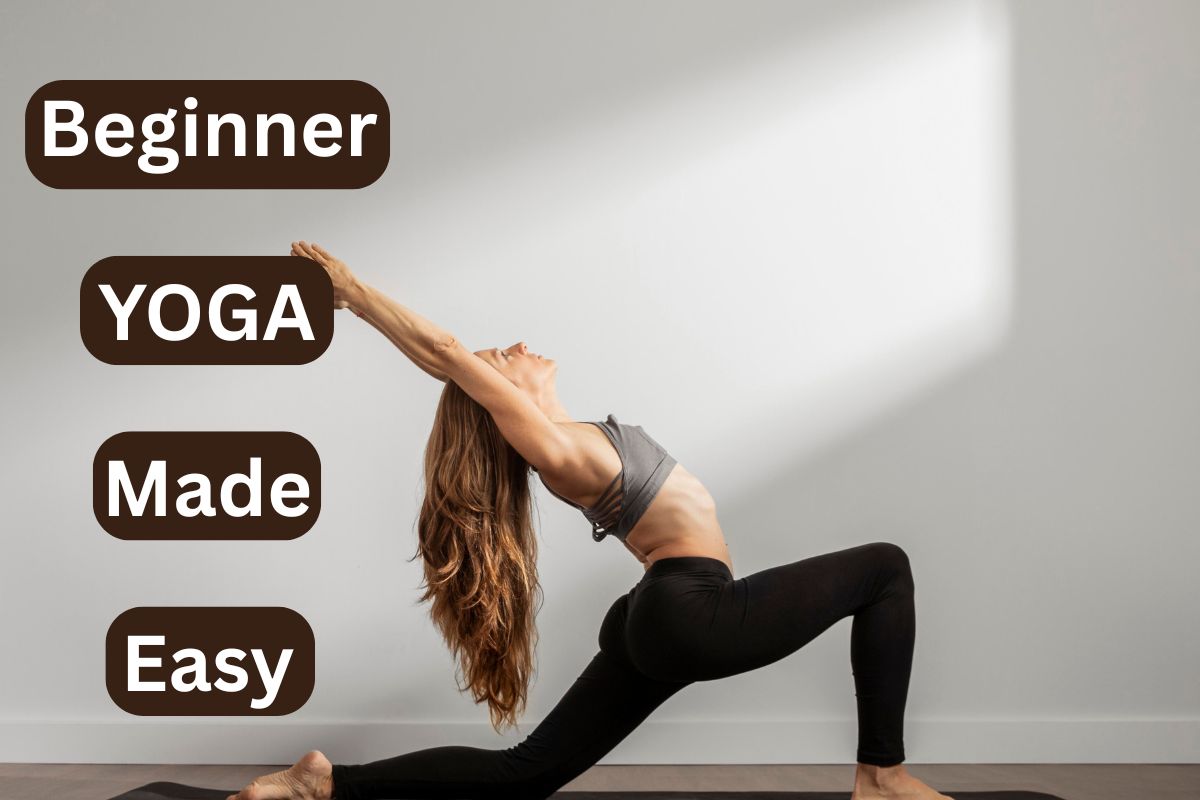
Yoga has become extremely popular, but many people still feel unsure about how to begin. With so many yoga postures, yoga exercises, and styles available, yoga for beginners can feel confusing at first. Many beginners jump straight into routines without understanding basic yoga, which often leads to frustration, slow progress, or injuries. In reality, starting yoga does not require expensive equipment; comfortable clothing and a yoga mat are usually enough. Learning how to approach yoga practice properly makes a huge difference in results.
Table of Contents
Common challenges beginners face
Attempting advanced yoga poses prematurely is one of the greatest obstacles for beginner yoga students. Watching seasoned practitioners do sun salutations, tree pose, or deep stretches may cause the desire to imitate them. This usually puts a strain on the lower body, joints, and muscles. The other problem is inconsistency; individuals train within a limited period of time and expect rapid outcomes. Yoga is about patience, frequent practice, and proper breathing. Lots of novices also have the problem of lack of concentration, and this minimises the meditative experience that yoga provides.
Why do beginners quit too early?
The reason why many people quit practising yoga is that they believe they are not flexible enough. They draw parallels with others and think that yoga is only the prerogative of people who can touch the floor easily. Another cause is the absence of guidance- without guidance, yoga is a complex affair. Other beginners overwork themselves, resulting in soreness or lower back pain. Lack of initial encouragement or apparent improvement discourages most novices.
Basic things beginners should know before starting
The first thing that should be known before one commences yoga as a beginner is that yoga is a progressive process. The body takes time to adapt, and regularity is more important than intensity. Yoga is not only exercise, but movement, breathing, and mindfulness. Growth does not happen at the same rate for all people; some become more flexible, and others gain body strength. These basics are essential in keeping beginners motivated.
Simple equipment suitable for beginners
Novices do not require costly equipment. One only needs a yoga mat, comfortable clothes, and water to begin yoga at home. Balance and alignment can be assisted using optional equipment such as yoga blocks and a yoga strap, particularly in such poses as chair pose or downward-facing dog. Initially, it is more significant to concentrate on movement rather than purchasing accessories.
Warmups, beginners should not skip
Before any yoga exercises, warmups are needed for beginners. They train the joints, muscles, and the lower body, minimising the risk of injury. Preparation of the body is done by gentle neck roll, shoulder movements, wrist mobility, hip circles and breathing exercises. The omission of warmups is a typical beginner error that influences comfort and performance.
Benefits of yoga for beginners
Yoga has numerous advantages, such as improved balance, posture, body strength and improved breathing. Yoga helps in relieving stress, concentration and relaxation, which are mental. It is also common that yoga enhances the quality of sleep and emotional stability, which is why yoga is the best overall wellnes practices.
Common mistakes beginners make
Novices who are not used to some of the challenging yoga poses, such as cobra pose or adho mukha svanasan, inhale their breath. Others hurry poses, neglect alignment,t or omit relaxation. Competing with others causes stress and demoralisation. Knee, wrist, or lower back pain is common when practising without knowledge.
Mistakes related to breathing
Many beginners breathe too fast, too shallow, or inconsistently. This reduces energy and stability.
Misunderstanding breath control
Beginners sometimes think deep breathing means forcing air into the lungs. Instead, breath control should be natural and smooth.
Mistakes related to posture
Incorrect posture puts stress on the joints and muscles.
Poor spine alignment
Beginners often round their back or overstretch, leading to discomfort.
Locking the knees
This creates unnecessary strain and reduces balance.
Tips for safe practice
Novices are to be gradual and instructed. In case of pain, it should be stopped. Exercising on a non-slip surface, staying hydrated, and balancing on a wall are some of the measures that prevent injury. Even brief sessions every day are preferable to long and sporadic ones.
Simple yoga poses for beginners
Mountain pose, child's pose (pose balasana), cat-cow, downward-facing dog (mukha svanasana), cobra pose, seated forward bends, and bridge pose are some of the effective poses that beginners can do. When doing poses such as the mountain pose, stand straight with the palms facing forward. Grounding the left foot or the left leg in balancing aids in stabilising. These poses establish a firm base of advanced practice.
Poses that improve flexibility
Forward bends, hip openers, and gentle twists help improve flexibility.
Poses that help build strength
Plank variations, chair pose, and bridge pose help strengthen muscles over time.
Breathing Techniques Beginners need to learn.
In yoga, breathing is a necessity. Diaphragmatic breathing, box breathing and alternate nostril breathing are some of the techniques that relax the mind and enhance concentration. The breathing rate should be slow and constant during the session.
Advantages of practising yoga at home
Practicing at home gives beginners flexibility in timing and comfort. It is easier to follow short routines and avoid the pressure of performing in front of others. Home practice also allows beginners to experiment with different styles at their own pace. However, beginners should still follow guided videos or instructors to avoid developing incorrect habits.
Why beginners should consider joining a class?
Joining a class provides professional guidance, structure, and feedback. Instructors can correct posture, suggest modifications, and ensure safety. The group environment can increase motivation and consistency. Classes also expose beginners to different yoga styles, helping them find what suits them best. Even occasional classes combined with home practice can significantly improve skill development.
Relaxation and Recovery
Yoga is a practice that involves relaxation. Leaving the sessions with corpse pose enables the body to reap the benefits, relieve tension and relax the mind. This measure contributes to the long-term development and burnout.
Mistakes to avoid as a beginner
Novices are not to hurry, imitate complicated poses, neglect warming up, or breathe in. Disregard of pain signals or working on uneven surfaces puts one at risk of injury. A gradual development is the main ingredient of sustainable development.
List of things beginners should track
- Flexibility progress
- Balance improvement
- Breathing control
- Practice consistency
- Familiarity with various yoga postures.
- Posture awareness
Frequently asked questions
What is the best time for beginners to practice yoga?
Any time of the day works, but beginners often find mornings more energising and evenings more relaxing. The key is consistency rather than timing.
How often should beginners practice?
Practising three to five times a week is ideal. Even short sessions of 10 to 15 minutes can bring visible improvements if done regularly.
Do beginners need to be flexible to start yoga?
No, flexibility develops over time. Yoga is suitable for all body types, and improvement comes gradually with regular practice.
Is yoga good for stress?
Yes, yoga helps reduce stress through breathing techniques, gentle movement, and relaxation exercises.
Do beginners need a teacher?
Not necessarily, but guidance helps prevent mistakes and ensures safe progress. Beginners can combine online videos with occasional classes.
Can beginners lose weight through yoga?
Yes, yoga supports weight loss by improving metabolism, building muscle, and reducing stress, which can affect eating habits.