
The Ultimate Guide to Digital Marketing Strategies

Turn clicks into customers: Master your digital marketing strategy today!
The correct digital marketing strategy is the solution to reaching the right audience, increasing conversion rate, and overcoming competition, as the current digital era is characterized by companies working at a frantic pace.
Through integrating SEO, content marketing, social media, and paid media, businesses will be in a position to develop integrated campaigns that will give quantifiable outcomes across all digital platforms.
Table of Contents
Introduction to Digital Marketing Strategy
A digital marketing strategy is a strategy that is well coordinated to enable companies to utilize digital platforms such as search engines, social media, and paid media to reach their target audience.
It is a combination of marketing strategies like SEO, content marketing, and influencer marketing to raise the visibility, engagement, and conversion rates.
Through the appropriate strategy, the companies can develop quality campaigns that are measurable, cost-effective, and aligned with the overall goals of the company.
Why businesses need a Digital Marketing Strategy
In the digital era, having a site is not enough. The online marketing strategy is required to help businesses find the right people at the right place and time.
The online mediums, such as social media, search engines, and mobile marketing, will assist the brands to connect with their audience in a significant manner, and any campaign will be more successful.
Reach Your Target Audience
The first reason is to know who you are talking to.
A good strategy employs social media marketing, content marketing, and search engine optimization (SEO) to convey messages that actually work.
The targeted strategy also enhances communication and a relationship with the potential customers in the long run.
Boost Conversion Rates
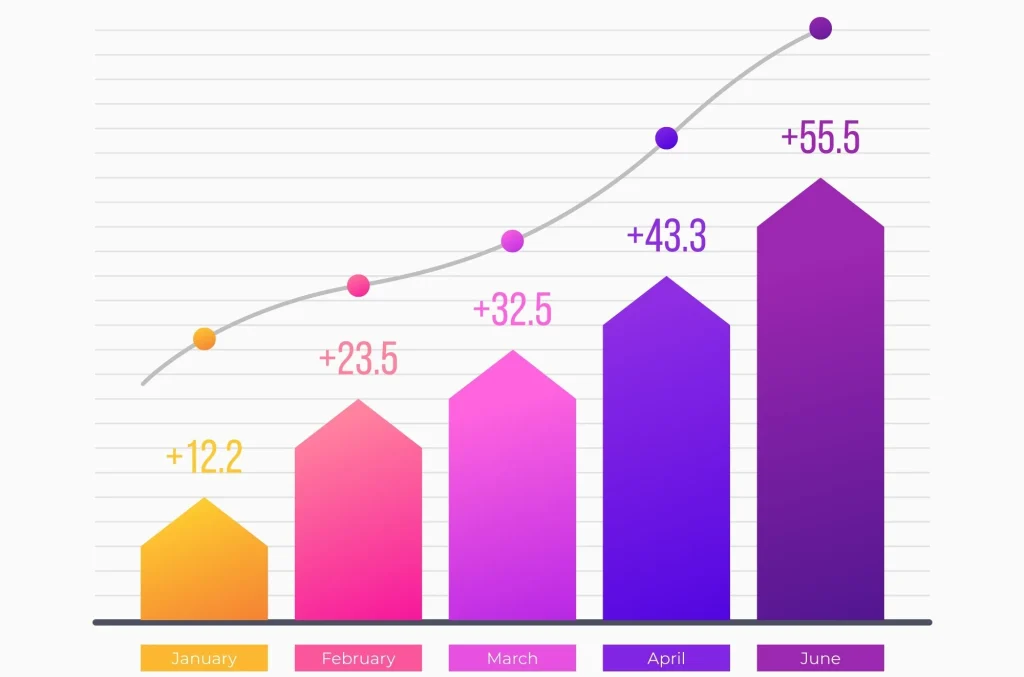
Any marketing activity should take a customer to action.
The companies will be in a position to convert the leads into loyal customers by integrating quality content, paid media, and online advertising.
An excellent plan will make sure that all the buyer process steps will lead to increased conversion rates.
Stay Ahead of Competitors
The Internet world is very dynamic, and the companies that fail to have a strategy will soon be left behind.
With the help of influencer marketing, digital marketing campaigns, and good digital tactics, your brand will not lose its relevance, competitiveness, or obscurity in your industry.
Maximize Your Marketing Budget
Strategic planning will make sure that the resources are well utilized in the online marketing tools.
Every dollar matters when investing in the appropriate combination of paid media, earned media, and other marketing strategies; the ROI will be the greatest, and the amount of money wasted will be minimal.
Measure, Learn, and Improve
Success isn't guesswork. Google Analytics and continuous research by marketers, such as tools can assist a business to monitor the campaign performance, streamline strategies, and enhance the results.
Digital marketing plan transforms data into actionable information, which guarantees stable and quantifiable growth.
Key Components of an Effective Digital Marketing Strategy
The robust digital marketing strategy has a number of basic elements that collaborate to create the most impact in the digital media.
It can be the improved position in search engines or the opportunity to appeal to people in social media; both of them are essential in the context of traffic, leads, and increased conversion rates.
The consciousness of these factors assists the companies in developing efficient digital marketing campaigns that provide quantifiable outcomes.
Search Engine Optimization (SEO)
SEO will make sure that your business is represented in the appropriate search results whenever potential customers are searching for the products or services that you are offering.
SEO increases presence and organic traffic, which is a cost-effective method of spreading your brand by simplifying the organization of the websites, keywords, and good content.
Content Marketing
Creation of quality content, such as blogs, videos, and infographics, helps companies to inform and entertain their audience.
Effective digital marketing plans involve the distribution of content in digital media, building trust, and supporting marketing campaigns that turn the readers into customers.
Social Media Marketing
Instagram, LinkedIn, and Facebook are social networks that allow companies to interact with their followers.
The awareness of the brand, engagement, and supplementing the other marketing tools like search engine optimization and paid media are increased by social media marketing, which makes campaigns more integrated and efficient.
Paid Media & Digital Advertising
Paid campaigns such as PPC advertising and display ads assist businesses in reaching the targeted audiences at a very fast rate.
Paid media is a strategic use of media that will make your marketing strategies measurable, scalable, and consistent with your overall digital marketing strategy.
How to Align Your Digital Marketing Strategy with Business Goals
A digital marketing strategy can only be successful when it is directly related to your business goals.
Connecting marketing strategies with quantifiable results, such as the rate of conversion, will enable brands to make sure that each campaign is geared towards growth.
Strategic alignment assists marketing teams in prioritizing the appropriate digital channels and emphasizes quality content that will produce outcomes.
Define Clear Business Goals
Begin by determining your main goals, be it making more sales, more email subscribers, or more brand awareness.
These objectives inform your digital marketing strategy and make sure that every marketing strategy is geared towards attaining concrete results.
The success is also easier to measure, and the campaigns can be adjusted when necessary with clear goals.
Choose Relevant Marketing Channels
The choice of the appropriate digital channels is essential. The use of platforms such as social media, search engines, mobile marketing, and earned media has various purposes.
When you match your channels with your objectives, businesses can target the right audience at the right time, and thus campaigns become efficient and effective.
Set Measurable KPIs
The conversion rates, traffic of the websites, and measures of engagement are key performance indicators that give a clear image of success.
The marketer can use such tools as Google Analytics to conduct research, monitor performance, and determine what can be improved.
The presence of quantifiable KPIs makes all marketing campaigns responsible and data-oriented.
Integrate Marketing Tactics
A combination of content marketing, digital advertising, influencer marketing, and social media marketing is known as an integrated approach.
The mixture of strategies will ensure that the campaigns will complement each other and deliver consistent messages across all digital channels, and have the maximum impact.
Regularly Review and Adjust
Digital marketing is never a one-time success. The marketing teams will be able to optimize digital marketing strategies and campaigns, and increase the conversion rates by continuously tracking the outcomes.
This continuous process will make sure that your online marketing plan is in line with the changing business objectives and provides long-term development.
Understanding Digital Channels for Maximum Impact
An effective digital marketing plan should be able to use the appropriate digital media to contact and communicate with your target.
The channels will have their roles to play, such as attracting prospects using search engines and developing a long-term relationship using social media marketing.
When the businesses know how to use these channels, they are able to carry out targeted, measurable, and business-oriented marketing campaigns.
The integration of different channels will help organizations to reach more people, improve the conversion rate, and deliver a single brand experience.
Social Media Marketing
Businesses can use some of the platforms, such as Instagram, LinkedIn, and Facebook, to reach their audience.
The marketing techniques (posts, stories, and influencer partnerships) enable the brands to become more involved, gain followers, and drive traffic to their websites.
Other digital marketing campaigns are also boosted by social media in terms of content and message amplification.
Search Engines
SEO and paid media campaigns ensure that your business appears in the search results.
Organic traffic will be attracted via search engine optimization, and targeted advertisements will be attracted by users who are actively searching to purchase products or services.
The combination of SEO and content marketing will create a long-term visibility and credibility plan.
Mobile Marketing
With more individuals accessing their mobile phones and tablets, companies should simplify their campaigns to attract them.
Mobile-friendly websites, SMS campaigns, and apps allow marketing teams to reach audiences wherever they are.
Effective mobile digital marketing strategies increase interaction, availability, and ultimately conversion.
Earned Media
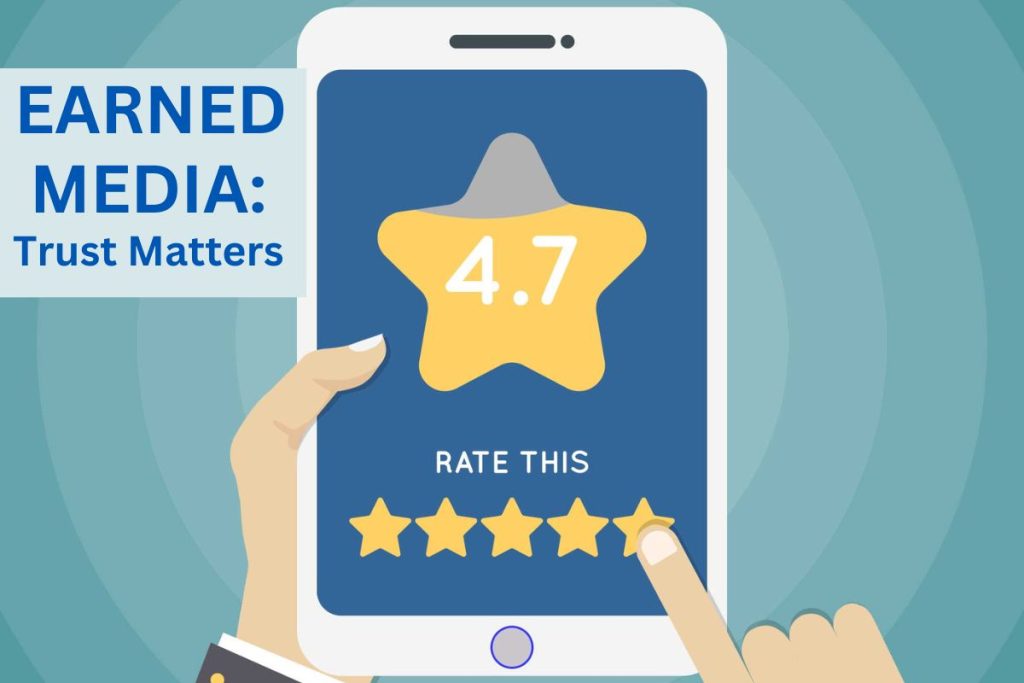
This involves organic exposure in terms of shares, mentions, reviews, and media coverage.
Taking advantage of earned media increases credibility, supplements paid campaigns, and builds brand trust.
It is an affordable medium that promotes interaction and supports digital marketing initiatives.
Integrated Multi-Channel Approach
A combination of social media, search engines, mobile marketing, and earned media increases the results.
The synergy of these channels builds uniformity in message delivery, enhanced performance of marketing campaigns, and maximizes the ROI of all digital marketing strategies.
Content Marketing as a Core of Your Digital Marketing Strategy
Content marketing forms the basis of any digital marketing strategy that links the brands to the audience.
By having good content, companies are able to educate, entertain, and inspire their potential customers using the different online platforms.
Blogs, videos, infographics, and social media posts are not only traffic-generating but also improve search engine optimization (SEO), strengthen marketing campaigns, and increase conversion rates.
When content is created thoughtfully, it builds trust and authority and ensures that all digital marketing strategies are useful in business development.
Leveraging Paid Media and PPC Advertising
Paid media and PPC advertising are critical components of an effective digital marketing campaign because they help businesses to attract their target markets in a limited amount of time.
Organic campaigns like SEO and content marketing build long-term presence, but paid campaigns can be used to drive traffic, leads, and increase conversion rates immediately.
The key to success in digital advertising is to know your audience, select the correct digital platforms, and coordinate the ads with the overall marketing efforts so that you will see quantifiable outcomes.
With paid media coupled with other digital marketing strategies, businesses are able to increase reach, reinforce social media marketing, and attain short-term wins and long-term growth.
Influencer Marketing and Social Media Marketing Tactics
Social media marketing and influencer marketing are critical in the digital world today to raise brand awareness and reach out to audiences.
Businesses can target niche audiences through collaboration with the relevant influencers and posting of interesting content on Instagram, LinkedIn, and TikTok.
Combining these marketing strategies with other digital media enhances your overall digital marketing strategy, increases credibility, and generates more conversions.
Measuring Success with Google Analytics and Marketing Metrics
Performance monitoring and analysis are key to a successful digital marketing strategy.
Businesses may measure the success of digital marketing campaigns, optimize digital channels, and increase conversion rates using Google Analytics and other metrics.
Frequent measurement will guarantee that marketing teams will base their decisions on the data and optimize their marketing strategies to achieve the highest ROI.
Monitor Conversion Rates
Monitor the effectiveness of your marketing efforts in converting visitors into leads or customers.
Knowledge of the conversion rates can be used to optimize digital marketing strategies and enhance campaign performance.
Analyze Website Traffic
Google Analytics allows businesses to view the most popular digital channels in terms of traffic.
The experience of SEO, social media, and paid campaigns can be used to prioritize resources and optimize strategies.
Track ROI of Paid Media
Determine the payback of PPC advertising and other digital advertising campaigns.
This will make sure that the marketing teams spend their budgets wisely and concentrate on campaigns that can give measurable results.
Measure Engagement Metrics
Track such metrics as the bounce rate, time spent on a site, and social interactions.
Knowledge of the audience behavior will enable companies to produce quality content and optimize digital marketing strategies to engage more effectively.
Continuously Optimize Campaigns
Periodic analysis of analytics data will allow making changes in strategy.
When campaigns are optimized using real-time insights, digital marketing strategies will be more effective in terms of conversion rates and overall performance.
Common Mistakes in Digital Marketing Strategy
An effective digital marketing strategy can not work well when it commits common errors.
The majority of the businesses are overly concerned with a single digital channel, produce poor quality content, or are not concerned with the metrics, leading to the wastage of resources and missed opportunities.
Marketing campaigns must be effective, measurable, and aligned with the business to avoid the pitfalls that will ultimately boost the conversion rates and ROI.
Focusing on a Single Digital Channel
It is not sufficient to reach and engage with a single platform, e.g., social media or SEO.
A proper strategy will distribute the activities using diverse digital platforms, which will ensure marketing campaigns reach the audience in different ways and will have better results.
Neglecting High-Quality Content
Overuse of keywords or low-value content can be harmful to SEO and reduce interaction with the audience.
Production of quality content that can either inform or entertain generates credibility, strengthens digital marketing efforts, and keeps users.
Ignoring Analytics and Metrics
The marketing teams cannot measure the success of the campaign without tracking performance using Google Analytics or other programs.
The regular check of the metrics will ensure that digital marketing strategies remain informed and data-driven to increase the conversion rates.
Inconsistent Messaging Across Channels
Your social media marketing, paid media, and content campaigns contain mixed messages that confuse your audience and weaken your brand.
The identical message in all the online marketing platforms also creates trust and ensures a smooth performance of the campaign.
Failing to Align Marketing with Business Goals
Unrelated marketing activities are wastage of time and resources.
An alignment of marketing tactics and goals will assist all digital marketing efforts to contribute to measurable outcomes, which will increase ROI and long-term growth.
Future Trends in Digital Marketing Strategy
The online marketing world continues to evolve, and to be competitive, a company must be at the forefront of the game.
The emerging technologies, the changing consumer behavior, and the new digital channels are changing how brands reach the audience.
With the digital marketing strategy aligned to these trends, marketing teams will be in a position to carry out successful digital marketing campaigns, optimize marketing strategies, and enhance the rate of conversion in a fast-changing environment.
AI-Powered Marketing Tools
AI is transforming digital marketing strategies, allowing the generation of content automatically, segmentation of audiences, and predictive analytics.
The use of AI can assist marketing teams in maximizing campaigns on digital platforms, enhancing the effectiveness and efficiency.
Voice and Visual Search Optimization
As the number of users of voice assistants and visual search increases, it is important to optimize content for these technologies.
Companies that adapt their SEO and online marketing tactics to these trends will be able to get traffic in the new search result prospects.
Personalized and Interactive Content
There is a growing demand among audiences to have content that suits them.
Interactive or personalized high-quality content improves engagement, aids social media marketing, and leads to improved outcomes of digital marketing campaigns.
Omnichannel Marketing Integration
The alignment of marketing strategies in social media, email, mobile, paid, and earned media provides a smooth user experience.
The combination of channels into one digital marketing strategy reaches its maximum, enhances contact, and builds brand loyalty.
Data Privacy and Ethical Marketing
With the changing regulations, companies have to manage the data of consumers responsibly.
Ethical practices will help to create trust, enable marketing teams to monitor conversion rates safely, and guarantee success in any digital marketing campaign over the long term.
Frequently Asked Questions
What is a digital marketing strategy?
A digital marketing strategy is a plan that involves the application of digital tools such as SEO, social media, content marketing and paid media to reach out to audiences, drive traffic, and improve the rates of conversion.
What is the need of digital marketing strategy in businesses?
Companies must have a digital marketing plan to reach their target market, streamline marketing campaigns, and make each digital marketing strategy mark its contribution to the measurable outcomes.
What are the best digital channels to market through?
The major channels are social media marketing, search engines, mobile marketing, paid media, and earned media, and each has its specific role in increasing engagement.
What are the ways to quantify the effectiveness of my digital marketing strategy?
Such tools as Google Analytics can be used to monitor a conversion rate, campaign performance, and ROI to improve digital marketing strategies by marketing teams.
What are the pitfalls that should be avoided in digital marketing?
The biggest errors are one-way traffic, lack of emphasis on quality content, lack of emphasis on analytics, lack of consistency in the message, and lack of alignment between marketing strategies and business objectives.